-
intrări
203 -
comentarii
173 -
citiri
2.063.977
Intrări în acest blog
Source: Discutii Generale
-
- 3.044 citiri
- 2 comentarii
Maine avem Rata Dobanzii la Euro. Ultima sansa sa vedem Euro la deal de la un loc bun unde este dus acum. In caz de mentinere a ratei la acelasi nivel si daca China continua sa vanda reintru in vacanta pana in Septembrie.
-
- 2.987 citiri
- 9 comentarii
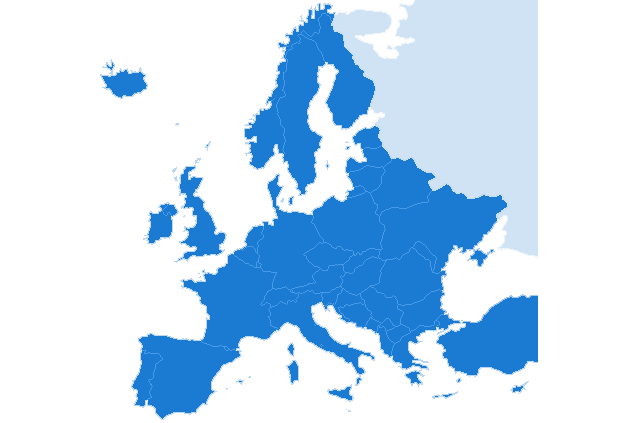
Preşedintele Comisiei Europene, Jose Manuel Barroso, a declarat miercuri că Europa are nevoie de o evoluţie spre o "federaţie de state-naţiune".
Source: Revista Presei
-
- 2.896 citiri
- 3 comentarii
Source: Discutii Generale
-
- 2.876 citiri
- 0 comentarii
Federal Reserve's Money Printing Failure
The Federal Reserve is the Central Bank of United States of America. It is responsible for printing the U.S. dollars & much more.
The reason for Federal Reserve's existence is to maintain price stability and maximum employment.
The Federal Reserve (and other Central Banks) have been 'printing' money in recent years under various code-names, includingQuantitive Easing (QE 1, 2, & 3), LTRO, SMP, TWIST, TARP and TALF, in order to bring unemployment down & speed up the economy. This article explains the failure behind the current money printing scheme and how banks, not people, get the money.
De ce sunt short Dolar.
Source: Revista Presei
-
- 2.803 citiri
- 0 comentarii
Rezervă "gigantică" de petrol şi gaze, găsită în Marea Neagră. Şeful OMV: Este o descoperire de importanţă globală
Source: Discutii Generale
-
- 2.578 citiri
- 0 comentarii
Ca daca Luni, adica poimaine, nemtii si francezii ii ajuta pe greci, problemele UE vor continua cu restul tarilor aflate in vizor iar daca nu, atunci Euro ca si moneda se termina brusc.
Prima varianta e posibila dar cum se poate ca Euro sa se termine brusc? Ha Ha Ha Ha. Nu mai pot de ras......
Ce se vor intampla cu euroii ce stau acum pe post de rezerva prin bancile lumii? Se apuca sa denomineze in vechile monede? Marci, Lire etc? Se pastreaza procentele initiale? Imi e foarte greu sa cred o asemenea nebunie. Nebunia ar fi imensa pe toate pietele.
Sigur ca rasul e c-am nervos si a inceput deja sa ma doara si capu',nu de alta dar perechea mea favorita Euro/Usd se va trasforma probabil in DM/USD .
-
- 2.435 citiri
- 5 comentarii
Se zice ca majoritarii in parlamentul elen au doar un vot in fata. Eu zi ca nu e important. Ori ... ori. Daca pica votul, nu stiu care va fi reactia pietei, o banuiesc doar, dar daca trece votul, sunt Long Euro Big Time.
-
- 2.414 citiri
- 6 comentarii
Intr-un sat stiut de multa lume isi ducea linistita zilele o banca mare mare cu bancheri foarte destoinici ce avea zeci de ani de experienta in manuirea fisicurilor de bani. Si uite asa cum trudeau ei sa agoniseasca profit de pe urma altor banci mai micute sau de pe la tot felul de firmulite mai mici sau mai mari, intr-o zi, un grup de flacai rai si hapsani au gandit ca daca vor pune foc la temelia bancii, va arde si ea dar si alte institutii cu care avea ea pod facut, iar Iarba puterii va incapea in mainile lor. Cu ajutorul ei, toate placerile din lume, stiute si nestiute, gustate si negustate, vor fi doar ale lor.
http://www.picturicelebre.ro/images/monet%20capite%20la%20sfarsitul%20verii.jpg
Asa s-a si intamplat.
La cativa ani dupa aceea, cand flacaii au vazut cat de bine le merge si ce minunate sunt placerile lumii si cat de repede s-a intins valvataia peste mari si tari, de greu o mai puteai stinge s-au intrebat: daca ar urzi iar si ar da foc unei tari intregi nu cumva ar lua foc mai multe iar iarba puterii acum mult mai grasa a unei tari intregi ar incapea toata in capitele lor?
Asa s-a si intamplat,
Doar ca, in inima continentului unde acea tara a luat foc se afla o tara foarte bogata si cu flacai inalti si muncitori. Cand au vazut focul atat de mare la portile ei s-au gandit ca s-ar putea sa ajunga si la casele lor frumoase si ridicate cu exactitate si au dat o mana de ajutor saracei tari ce ardea mocnit aducand cateva galeti de apa sa mai domoleasca focul. Problema a fost ca nu s-au spetit foarte tare sa arunce cu apa peste acel foc pentru ca aveau de muncit si la industriile lor, care mergeau din ce in ce mai bine de cand focul aprinsese tarile din jur.
Asa s-a intamplat.
Si uite asa, incalecand pe-o banca grea, am spus povestea ce nu s-a mai povestit, decat pe anumite situri obscure si fara audienta, cum Iarba Puterii e cosita in timp ce citim asta poveste si stransa in capite grase de cativa flacai hapsani dar cu mult viclesug in suflet.
-
- 2.402 citiri
- 3 comentarii
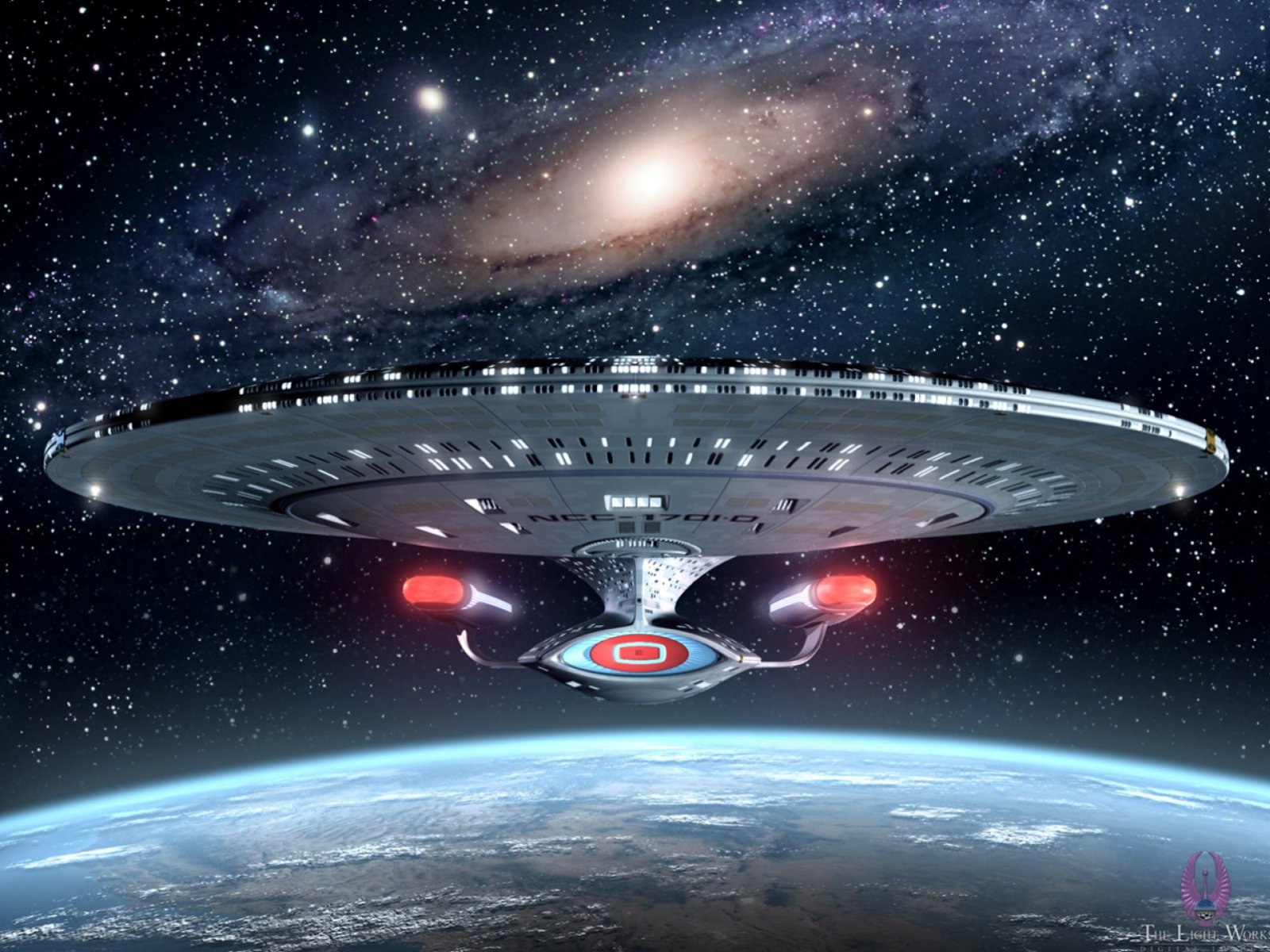
You know that scene in the film Contact
, its three spinning rings kicking out crazy light and an electromagnetic field powerful enough to pitch nearby Navy battleships sideways, as Ellie (Jodie Foster) waits, terrified, in her tiny spherical craft above the space-time bedlam, to plummet into the vortex?
Yeah, that’s not exactly how NASA’s envisioning faster-than-light space travel, but…wait, NASA’s working on faster-than-light travel? Isn’t that impossible?
(MORE: Ultrafast Chips that Run on Light: Nanoswitch Breakthrough Brings Us Closer)
-
- 2.334 citiri
- 0 comentarii
News
Published on Sunday 28th November 2010
Ireland, EU/IMF reach agreement on financial support
TAOISEACH Brian Cowen has held a press conference in Dublin to announce that agreement has been reached between Ireland, the European Union and the International Monetary Fund on a financial assistance package for Ireland.
A fund of €85 billion of financial support is being made available to Ireland to “return our economy to sustainable growth and to ensure that we have a properly functioning banking system”.
€67.5 billion of the funding is being provided from Europe and the IMF, while €17.5 billion will be provided by Ireland itself. €50 billion of the finance will be made available to provide for the financing of the State itself.
The remaining €35 billion is being provided to support the banking system – €10 billion for an immediate recapitalisation and the remaining €25 billion will be provided on a contingency basis.
The combined annual interest rate would be of the order of 5.8% per annum.
-
- 2.320 citiri
- 0 comentarii
Euro la nivel optim de buy. Ce zice Trichet ?
Haha, aveam 2 posturi pregatile pentru azi si din gresala l-am activat pe cel de plecat la mare. Chiar si asa tot intr-acolo ma-ndrept.
Euro devine interesant.
-
- 2.283 citiri
- 5 comentarii
- Fed Chairman Ben Bernanke, an expert on the Great Depression, understands the ravages of debt deflation and his every action has been to prevent it from occurring. It is one of the reasons why, on September 13th, 2012 the Fed included an explicit inflation target in its policy statement for the first time.
- Greater care must be taken in the future to ensure that our fiat based, fractional reserve system does not run amok. This is why regulators are demanding that banks raise capital, reduce their proprietary trading activities, and shift their business models closer to a utility-style model.
- The Fed is the only game in town – awaiting anxiously, and building a bridge to, a time when Washington will devise solutions to the many economic challenges facing the United States.
Source: Ce zic "Centralele" acum
-
- 2.218 citiri
- 0 comentarii
Nu stiu cand se va semna si daca se va semna acordul intre republicani si democrati dar in secunda semnarii, daca se semneaza, prevad o nebunie pe buy la actiuni. La dolar e mai complicat caci s ar putea sa fie in ambele directii, unii marcheaza profit ce au vandut si altii intra pe risk on. Mai e si final de luna dar chiar si asa nivelele sunt bune de speculat short Dolar.
-
- 2.184 citiri
- 3 comentarii
http://www.youtube.com/watch?v=Iunr4B4wfDA&feature=fvwrel
Asta pentru ca tocmai am primit un newsletter cu predictii ale pietei pe baze astrologice 
-
- 2.165 citiri
- 0 comentarii
WASHINGTON (MNI) – Federal Reserve Chairman Ben Bernanke made clear
Wednesday, in wake of a downgrading of the Fed’s economic forecast, that
he is keeping all of his monetary policy options open.
Not only did Bernanke make clear that short-term interest rates
will be kept lower for an even longer “extended period” than previously
envisioned, he left the door open to further quantitative easing and
other measures.
-
- 2.139 citiri
- 3 comentarii
In sfarsit avem o rezolutie pe Grecia si nu numai - inca neoficiala- dar sanse mici sa nu fie asa cum se spune.
Miscarea Euro a fost mai mult decat previzibila: Mai rar asa zi.
The euro zone bailout fund, the European Financial Stability Facility (EFSF), will provide loans to Greece, Ireland and Portugal at a lower interest rate and for longer maturities, according to draft summit conclusions seen by Reuters on Thursday.
http://media.cnbc.com/i/CNBC/Sections/News_And_Analysis/__Story_Inserts/graphics/__CURRENCY/GLOBAL_CURRENCIES/euros_bills_1_200.jpgAPThe document detailed plans to extend the maturity of bailout loans, expand the bailout fund’s mandate, stimulate growth in the Greek economy and include private-sector participation.
Loans from the EFSF will be extended from 7.5 years to at least 15 years and the interest rate will be lowered from around 4.5 percent currently—in the case of Greece and Portugal—to around 3.5 percent, the draft document said.
“We will provide EFSF loans at lending rates equivalent to those of the balance of payments facility (currently approx 3.5 percent) without going below the EFSF funding cost,” according to the draft. “This will be accompanied by a mechanism which ensures appropriate incentives to implement the program, including through collateral arrangements where appropriate,” a nod to Finland’s demand for collateral against new loans.
The EFSF will also be allowed to provide precautionary credit lines to countries in the euro area, including those that are not under EU/International Monetary Fund bailout programs, the draft said.
It added that talks with the private sector on shouldering some of the burden of a second bailout package for Greece continue, with all options still on the table.
“The financial sector has indicated its willingness to support Greece on a voluntary basis through a menu of options (bond exchange, rollover, and buyback) at lending conditions comparable to public support with credit enhancement,” it said.
-
- 2.105 citiri
- 2 comentarii
The Fed’s secret QE equivalent
Posted by Izabella Kaminska on Aug 12 17:52.
Anyone catch this from the New York Fed on Friday? It’s hugely important:
http://ftalphaville.ft.com/blog/2011/08/12/652166/the-feds-secret-qe-equivalent/
-
- 2.102 citiri
- 0 comentarii
Ceva nu e in ordine la Casa Alba. Euro si Dolarul pica impreuna cu toate bursele si nu din cauza ISM ului.
Ceva ne arunca iar pe Franc si Jen dar nu-mi dau seama ce. Chiar si Petrolul si Aurul nu mai sunt licitate.
PS intre timp Aurul si-a revenit
-
- 2.098 citiri
- 0 comentarii

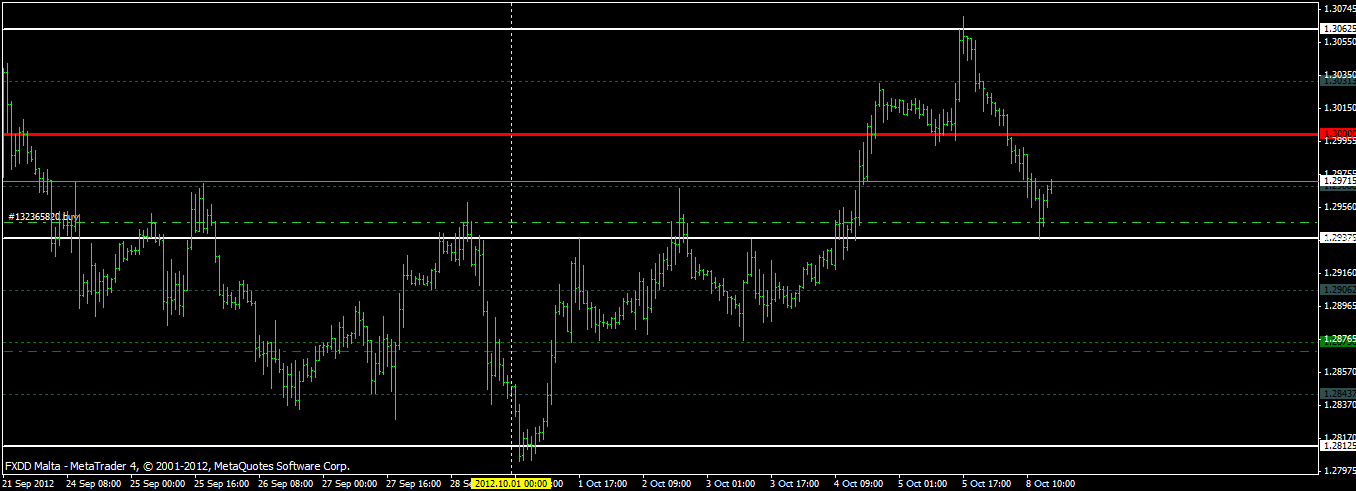
Dupa cum se misca azi 31 August, zi de inchidere de fapt, parca parca banca aia stie ce spune. Raman long.
1.2625 ar trebui marcare ceva profit.
Apropo de vrajeala. Nu iau declaratia ca pe o vrajeala pentru ca:
1. Cine sa sara in buy, alte banci, dar aia nu au analisti lor? Sau daca o alta banca mai mare zice buy altele mai mici intra si ele ? asta se poate si chiar se intampla. Deci, in masura in care se asculta de una mai mare, cu atat mai mult intru buy.
2. Crezi ca astia din banci dau declaratii pentru retaileri ca noi? Acolo e vorba se sute de milioane zilnic, in piata direct, fara leverage. Noi suntem in house, nu uita. Noi nu contam.
3. Fundamental stam asa:
Draghi a declarat acum ceva vreme ca e pe buy la euro, mai pe intelesul nostru, adica a atentionat ca nu va tolera o devalorizare la Euro si mai ales ca are resurse nelimitate. Cine crezi ca se pune cotra cu banca care a creat Euro? Nici mama lui JP morgan, asa ca toti la deal.
Nu va mai fi la deal atunci cand Bernanke va intra si el cu QE3 iar din ultma sedinta au crescut rau sansele sa intre doar ca nu se stie cand. In acel moment, 2 banci centrale mari fac interventie pe piata si deci se bat cap in cap la Euro Dolar. Atunci e mai greu de prevazut, dar pana atunci avem buy deocamdata.
Asta e analiza mea acum. Daca apare ceva nou am sa scriu.
Nu am mai scris pana acum caci vara nu tranzactionez. Acum incepe joaca, dupa primul NFP din Septembire.
Bine v-am gaist
Source: Euro Acum
-
- 2.087 citiri
- 0 comentarii
Piata centrala din Athena va lua foc
-
- 2.069 citiri
- 5 comentarii
Cuvant inainte
Daca eu, Barbones sunt "nebun" si caut fundament in tot ceea ce fac inseamna ca traiesc intr-o "lume de nebuni" care se joaca cu valutele lumii, nebuni pentru ca nu-si dau seama ca e destul doar sa te uiti la grafic si sa gasesti locul ideal ce aduce profit doar cu analize pur tehnice.
Michael Bolduc has seen his account wiped out three times since he started trading currencies. Yet he still keeps returning to the high-risk, high-reward foreign-exchange market for more.
Many people call it gambling—and he agrees.
Mr. Bolduc, a 52-year-old bill collector in Denver who began currency trading in 2003 after trading stocks for years, cites the ease of opening an account and getting a free charting program up and running quickly. He is one of a rapidly growing number of retail forex traders around the world.
“There seems to be so much money that can be made,” he says.
Forex is the biggest financial market in the world, with some $4 trillion traded each day. While it is dominated by big banks, corporations and private investment funds, the retail segment is the fastest-growing, according to Bank for International Settlements. Daily retail volume in 2010 was $313 billion, up from $300 million in 2000, according to Boston-based research firm Aite Group LLC—which estimates volume will rise by at least 14% in 2011 alone.
Many forces are driving the boom, from stock-market volatility to a rise in online programs that have made forex easier than ever to trade. Giants like Citigroup Inc. have launched online currency-trading platforms geared toward smaller account sizes. Yet upstart online platforms like Oanda Corp. and Forex Capital Markets’ FXCM are capturing much of the retail sector with smaller balance requirements, tighter trading spreads and low fees. A customer can open an account at Oanda with just a $1 balance, for example, while Citi FX Pro requires a minimum balance of $10,000.
All this comes at a time of rising volatility in currency markets caused by looming debt problems in the U.S. and Europe and signs of slowing U.S. growth. That volatility has been especially magnified in currency trading. In recent months the dollar fell to a record low against Japan’s yen, dropping by more than 4% on the day it sank to that record low. Within 24 hours of hitting the low, the dollar was back up 7.5% against the yen from its record bottom.
Forex’s frenetic pace can be brutal to rookies and sophisticates alike. Managing proper trade sizes and rapid price movements—all while using “leverage,” or borrowed money, to amp up bets—can be devilishly difficult; one bad trade can blow up an entire account.
The bottom line: Proceed with caution.
“I think individuals should allocate zero dollars to currency trading,” says Joshua Brown, vice president of investments at Fusion Analytics Investment Partners LLC, an asset-management firm in New York. “To go to an online brokerage and think you’re doing anything more than gambling is foolish.”
Some advisers say there is a place for trading currencies—albeit as part of a broader investment strategy.
“If you are an investor looking for diversification, FX offers a real opportunity,” says David Rodriguez, currency strategist at dailyFX.com, the research arm of FXCM. For example, traders looking to reduce the interest-rate risk of their overseas bond investments can buy the currency of that same country, since a currency often strengthens when rates rise, he says.
For those who want to try their luck, here are some tips:
The Basics
Currencies trade in pairs, with investors buying one currency and selling another at the same time. The U.S. dollar/yen and euro/U.S. dollar are two of the most popular trading pairs; other popular ones include the British pound, Swiss franc and the Canadian and Australian dollars.
In a U.S. dollar/yen trade, for example, the amount of yen you can buy for one dollar is currently ¥80.65. If you bet on the dollar, the higher the number rises, the more you would make, and vice versa.
Mostly, the vice-versa scenario plays out: Only about 30% of all retail forex trades are profitable, according to Aite Group, largely because of traders’ lack of education and experience in dealing with a market dominated by institutions. Commission costs, which run about $10 to $20 for a standard contract, also can add up quickly.
Traders often make bad trades far more damaging by using leverage, which can be as high as 50-to-1. Sure, profitable trades can be big: A fully leveraged $1,000 bet the euro would fall in relation to the U.S. dollar on July 1, for example, could have netted as much as $500 by Thursday afternoon. But even a small move the other way could wipe out your entire stake.
Forex used to be even riskier: Late last year, the National Futures Association, an independent self-regulator of futures trading in the U.S., cut the maximum ratio level for common currency pairs, such as the euro/U.S. dollar or U.S. dollar/yen, to 50-to-1 from 100-to-1. More-obscure pairs, which don’t trade in such high volumes and thus are prone to bigger swings, are now restricted to a 25-to-1 leverage ratio, such as the U.S. dollar/Czech koruna and U.S. dollar/Mexican peso.
The lower leverage ratios mean a retail customer who put $1,000 into an account before the ratio was changed, and earned $100 in a month of trading euro/U.S. dollar or U.S. dollar/yen pairs, would now need to start with $2,000 in the account to earn that same $100. The new rules also reduce potential losses by an equal amount.
Until the retail forex market’s explosive expansion, regulators generally assumed the sophisticated institutional investors who dominated the currency market could look after themselves without extra regulatory checks and balances.
Now, regulators like the NFA and Commodity Futures Trading Commission are trying to figure out how to protect ordinary folks from being crushed in a market whose genesis was as a hedging tool for big companies and investors, not as a betting vehicle for day traders.
Regulators often focus more on simple warnings than actually educating customers on how to set up trades and manage the pitfalls of trading, analysts say. As a result, many traders enter the market, quickly lose their initial investment—and never trade again. Professionals call them the “one and dones.”
How to Trade Safely
• Limit your forex trading. In general, experts recommend that small investors devote no more than a few percentage points of their overall portfolio to forex trading in order to limit any possible damage.
• Size your bet right. Among the risks that traders should be aware of before they make their first transaction: “overtrading.” That happens when customers trade a position that is too large compared with the size of their account. Brian Dolan, chief currency strategist at GAIN Capital Holdings Inc.’s Forex.com trading platform and co-author of the book “Currency Trading for Dummies,” recommends never putting more than 5% to 10% of an account balance into one trade. Overtrading often comes from a lack of a plan, Mr. Dolan says. Traders need to develop a strategy based on fundamental and technical analysis before initiating a trade.
Novice traders often get caught up in quick price movements and the potential for huge gains. That can lead them to lose focus on their strategy and ultimately end up with big losses. Yet the allure and adrenaline of a high-risk environment draw some back repeatedly. Others’ lack of tolerance for steep losses means they lose their initial investment and never return.
Timing—and luck—play a big role in many forex trades. Mr. Bolduc, the Denver day trader, says his worst-ever trade, which involved multiple currencies, including the dollar, euro and Swiss franc, lost $8,000 over a long period of time. Conversely, he says he once made $2,500 “in a very short period of time” trading the euro-dollar pair by error—he mistakenly left open a trade order during the release of an economic report, leading to a rapid payoff.
• Set limits. One way to limit the damage is to set up a “stop-loss” order, which automatically exits a position when a certain price is hit, limiting losses.
Following Mr. Dolan’s advice, for example, a trader with a $5,000 account wouldn’t want to risk losing more than $500 on any particular trade and should set up a stop-loss order accordingly.
A trader might determine that the euro is about to go up against the U.S. dollar, and that a nice entry point is $1.4500. If that investor buys euros and sells dollars, he might place a stop-loss order at $1.4460, limiting his losses. If the trade is a standard-size one—often measured as 100,000 units—a drop from $1.4500 to $1.4460 would be equivalent to a loss of $400.
Traders also can use “take-profit” levels, or orders set up to automatically cash out at a preset profit, Mr. Dolan says. Take-profit levels keep traders from losing profits when currencies abruptly change direction, which often happens when economic reports or announcements are released. In the earlier scenario of the euro and the dollar, the trader could set up a take-profit order at $1.4600, which would lock in a profit of $1,000.
• Beware of trading programs. Most small investors also should avoid automated-trading programs that promise huge returns in a short time period. These programs—also known as “expert advisers,” or EAs—execute trades in milliseconds and may raise even greater risks for unsophisticated investors. New EAs pop up online all the time and have names like IrisFx, Kangaroo EA and Forex Combo System. Their prevalence has grown rapidly in the past few years, analysts say. The Bank for International Settlements cited the rise of automated-trading systems as one of the key drivers of the market’s growth in recent years.
The systems, which are similar to the ones used by hedge funds, can automatically execute trades when specific parameters such as price levels are hit. Those trades often occur at much faster speeds than a human could input and click through a trade online. That faster execution can enable better pricing and the ability to take advantage of smaller moves in markets.
But for all but the most experienced traders, the systems can have hidden dangers. As market dynamics change or news alters trends, the programs often “collapse at some point,” says Walter Peters, an American living in Sydney. Mr. Peters started out as a retail trader and went on to develop his own automated programs, and now manages other people’s forex accounts.
The programs that advertise huge returns in short periods are likely to crash and burn the fastest, he says. Computer programs that show smaller but steadier gains over long periods are the best bets.
• Research. Retail brokerages often provide vast amounts of data and historical trading information that can help inform trades and be used to spot trends. Some platforms, like Forex.com, also provide news feeds that give customers information that could be affecting the foreign-exchange market.
Nearly any major economic report or major news event can affect a currency, so news websites also can be tapped as resources for determining which way currencies might move.
• Diversify. There are other ways to minimize those potential losing periods that can frustrate and eventually drive retail customers away. Traders should diversify trading across multiple currencies or simultaneously use strategies that work in different market conditions, analysts say.
Mr. Peters says he puts only 10% of his money into automated trading programs, leaving the rest for manual trades. Winsor Hoang, who lives in Vancouver, British Columbia, and sells access to his trading strategies, has three automated-trading systems running at all times. The programs perform best in different market conditions, so when one might be losing, the others might be winning, he says.
Write to Stephen L. Bernard at stephen.bernard@dowjones.com
via Is Currency Trading Worth the Risk? – WSJ.com.
-
- 2.064 citiri
- 0 comentarii
Anul trecut parca tot prin Mai Euro facea furori la vale tot pe Grecia. Un preot grec zicea prin Decembrie trecut parca ca cineva si-a pus in minte sa aduca in sclavie Grecia. Nu cred in asa teorii dar ma intreb daca Grecia va mai lua inca un imprumut asa cum se vorbeste zilele astea cum va reusi sa dea inapoi banii si mai ales cand?
Datoria externa poate ajunge si la 200% din PIB daca nu o fi depasit deja ceea ce face ca existenta in sine a statului grec independent sa fie pus la indoiala. Daca eu as fi dator unei banci mai mult decat as putea produce tot restul vietii nu cred ca as mai fi un om liber, probabil as apartine acelei institurii in totalitate.
Cum Grecia nu prea are resurese naturale in afara de turism si pozitie geostrategica, nu prea vad cum ar putea sa o scoata la capat. Nu stiu cine e de vina pentru situatia actuala si deja nu prea mai conteaza asa cum nici pentru acel trader care a pierdut 5 miliarde de dolari prin 2008 nu prea conteaza chiar daca sta la puscarie toata viata, dar conteaza ce urmeaza.
Germania, Franta su SUA cu alte cuvinte detin cu acte nu doar economia Greciei dar in curand pe fiecare cetatean grec.
O eventuala iesire a Greciei din UE este inadmisibila si luata doar din perspectiva precedentului dar oare mai exista alta solutie?
Uniunea Europeana, institutia creata pentru a relansa "Sfantul Imperiu Roman" ce s-a dizolvat la inceputul sec XIX este un deziderat dar daca asta duce inapoi in sclavagism pentru anumite tari prefer sa dau din nou mana cu rusii si de ce:
Romania a avut cateva momente bune in istorie: am fost recunoscuti de un mare imperiu atunci cand multe state din jur nu existau cu 2000 de ani in urma., Mihai Viteazu a unit principatele cu mult inaintea multor tari,Marea Unire din 1918, si mai ales perioada comunista.
Desigur ca si rusii ne-au furat de ne-au rupt dar macar am avut sansa sa ne dezvoltam asa cum Romania nu a putut nicioadata sa o faca in toata istoria ei. In afara de export agricol si femei frumoase nu am avut voie sa facem nimic in schimb sub rusi am ajuns de la un popor de agricultori si betivi notorii sa avem program spatial, industrie competitiva dar mai ales scolarizare de calitate.
Daca tot ce se intampla azi tarilor de mana a doua membre ale uniunii ni se va intampla si noua odata intrati sub umbrela UE pe deplin mai bine ma lipsesc.
Ce s a intamplat pe 6 Mai.
-
- 2.017 citiri
- 4 comentarii
Bernanke a zis : voi face totul... ! azi am vazut pe ADP Non-Farm Employment. Nu era de buy si totusi....?! buy.
Vineri, nu o sa avem numar pozitiv pe NFP si totusi... v-om da buy. De ce?
Pentru ca, daca dam sell cum ar fi normal ne luam la revedere de la lumea pe care o stim, cu situri, cu internet, cu viata frumoasa.
Sa te vad Domnule Bernanke. Azi ai aratat. Mai vreau o datal
-
- 2.012 citiri
- 3 comentarii